

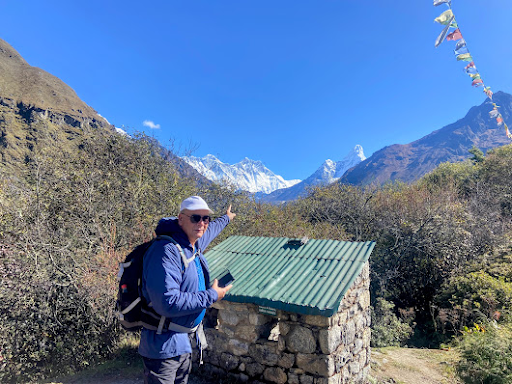
The Everest Base Camp Budget Trek is an ideal choice for adventurers seeking to explore the world’s most iconic trekking destination without spending a fortune. This trek offers the thrill of high-altitude trekking, breathtaking views of Mount Everest, and immersion into Sherpa culture, all while keeping expenses manageable.
Unlike luxury or guided trekking packages, a budget trek emphasizes cost-effective accommodations, local meals, and practical planning, making it accessible for students, solo travelers, and budget-conscious adventure enthusiasts. Despite the low cost, trekkers can experience the grandeur of the Khumbu region, the charm of Sherpa villages, and the unparalleled beauty of the Himalayas.
Overview of the Everest Base Camp Budget Trek
The trek begins with a flight from Kathmandu to Lukla, the gateway to the Everest region. From there, trekkers follow the classic Everest Base Camp route through Phakding, Namche Bazaar, Tengboche, Dingboche, Lobuche, and Gorakshep, culminating at the legendary Everest Base Camp and optionally Kala Patthar for panoramic mountain views.
The budget trek focuses on essential experiences: trekking, village exploration, mountain vistas, and cultural encounters, without the added costs of luxury lodges, private guides, or helicopter transfers. Accommodation is generally in teahouses with shared facilities, and meals consist of local Nepali food such as Dal Bhat, noodles, and momos.
Why Choose the Everest Base Camp Budget Trek?
1. Affordable Adventure
A budget trek allows travelers to explore Everest Base Camp at a fraction of the cost of luxury packages. By choosing shared accommodations, local guides, and simple meals, trekkers can experience the Himalayas without financial strain.
2. Immersive Cultural Experience
Budget trekking promotes interaction with local communities. Staying in teahouses operated by Sherpa families allows trekkers to experience authentic Himalayan life, visit monasteries, and witness cultural practices firsthand.
3. Flexible Itinerary
A budget trek offers flexibility in pace and duration. Trekkers can adjust their itinerary according to their fitness level, rest needs, or interest in side excursions such as Tengboche Monastery, Namche Bazaar, or Everest Viewpoints.
4. Stunning Natural Scenery
The trail offers views of some of the world’s tallest mountains, including Everest, Lhotse, Nuptse, Ama Dablam, and Thamserku. Along the way, trekkers traverse rhododendron forests, alpine valleys, glacial rivers, and high-altitude deserts.
5. Personal Challenge
Budget trekking requires self-sufficiency and endurance. Carrying your own daypack, managing personal needs, and adapting to shared facilities create a sense of accomplishment and independence.
Typical Itinerary
A budget Everest Base Camp trek usually takes 12–14 days:
- Day 1: Arrival in Kathmandu and trek preparation
- Day 2: Fly to Lukla, trek to Phakding
- Day 3–4: Trek to Namche Bazaar, acclimatization
- Day 5–6: Tengboche and Dingboche, with optional short hikes
- Day 7–8: Trek to Lobuche and Gorakshep, Everest Base Camp exploration
- Day 9: Optional Kala Patthar hike
- Day 10–11: Trek back to Namche Bazaar via the same route
- Day 12–13: Return to Lukla and fly to Kathmandu
This itinerary allows sufficient acclimatization to reduce the risk of altitude sickness while providing ample time to enjoy the Himalayan landscapes and cultural sites.
Difficulty Level and Fitness
The Everest Base Camp Budget Trek is moderate to challenging. Trekkers face long days of walking, steep ascents, and high altitudes reaching 5,364 meters at EBC and 5,545 meters at Kala Patthar.
Good fitness, stamina, and prior trekking experience are beneficial. Daily trekking is typically 4–7 hours, and proper acclimatization is essential to avoid altitude-related issues.
Best Time for the Trek
The ideal seasons are:
- Spring (March–May): Clear skies, pleasant temperatures, and blooming rhododendrons
- Autumn (September–November): Stable weather, clear views of Everest and surrounding peaks
Winter treks are cold but possible for experienced trekkers, while monsoon season (June–August) brings rain, landslides, and slippery trails.
Accommodation and Meals
Budget trekkers usually stay in basic teahouses, offering shared rooms with twin beds and shared bathrooms. At higher altitudes, facilities are limited, and hot showers may not be available.
Meals typically include Dal Bhat, noodles, fried rice, momos, and tea/coffee. Trekkers are advised to carry energy snacks, water purification tablets, and personal essentials for high-altitude days.
Trekking Permits
Permits required for the budget trek include:
- Sagarmatha National Park Entry Permit
- TIMS (Trekkers’ Information Management System) Card
Hiring a licensed guide is optional on a budget trek but recommended for safety, navigation, and altitude support.
Cost of the Budget Trek
A budget trek is highly economical, ranging from USD 700–1,200 per person, depending on group size, duration, and services. This generally covers:
- Domestic flights (Kathmandu–Lukla–Kathmandu)
- Accommodation in teahouses
- Meals along the trail
- Basic guide or porter services (optional)
- Permits and park fees
This makes the trek accessible to students, solo travelers, and budget-conscious adventurers.
Who Should Consider a Budget Trek?
The Everest Base Camp Budget Trek is ideal for:
- Adventure enthusiasts seeking low-cost Himalayan trekking
- Students or young travelers with limited funds
- Solo trekkers or small groups looking for independence
- Trekkers who prioritize adventure over luxury
Responsible Trekking Practices
Budget trekkers should:
- Avoid littering and minimize plastic usage
- Respect Sherpa culture and local customs
- Support local businesses and teahouses
- Follow guides’ instructions for safety and sustainability
Conclusion
The Everest Base Camp Budget Trek offers an unforgettable Himalayan adventure at a fraction of the cost of luxury packages. From the iconic views of Mount Everest and surrounding peaks to the rich Sherpa culture and charming teahouse villages, this trek provides an authentic and immersive experience.
For travelers seeking adventure, natural beauty, and cultural discovery without breaking the bank, the budget trek is an ideal choice. It combines the thrill of high-altitude trekking with practicality and accessibility, proving that extraordinary Himalayan experiences are possible on any budget.
