

Managing heavy machinery on active worksites requires careful coordination to keep projects running smoothly while balancing daily fuel logistics with routine mechanical care. When either side of this operational equation fails, costly downtime can quickly stall overall progress across the job site. Integrating reliable energy logistics with disciplined equipment maintenance creates a strong foundation, as steady fuel supplies keep machinery moving while proactive repairs protect high-value assets from premature wear. Ultimately, striking the right balance between fueling and routine maintenance keeps remote teams working efficiently every single day.
Streamlining On-Site Logistics to Minimize Downtime
Coordinating fuel logistics directly on a job site eliminates the need for heavy equipment to travel off-site for refueling. Sending large vehicles to off-site filling stations wastes valuable labor hours and adds unnecessary wear to specialized tires and tracks. Scheduling bulk fuel drop-offs during off-peak hours ensures that machinery stays ready for immediate use when shifts begin.
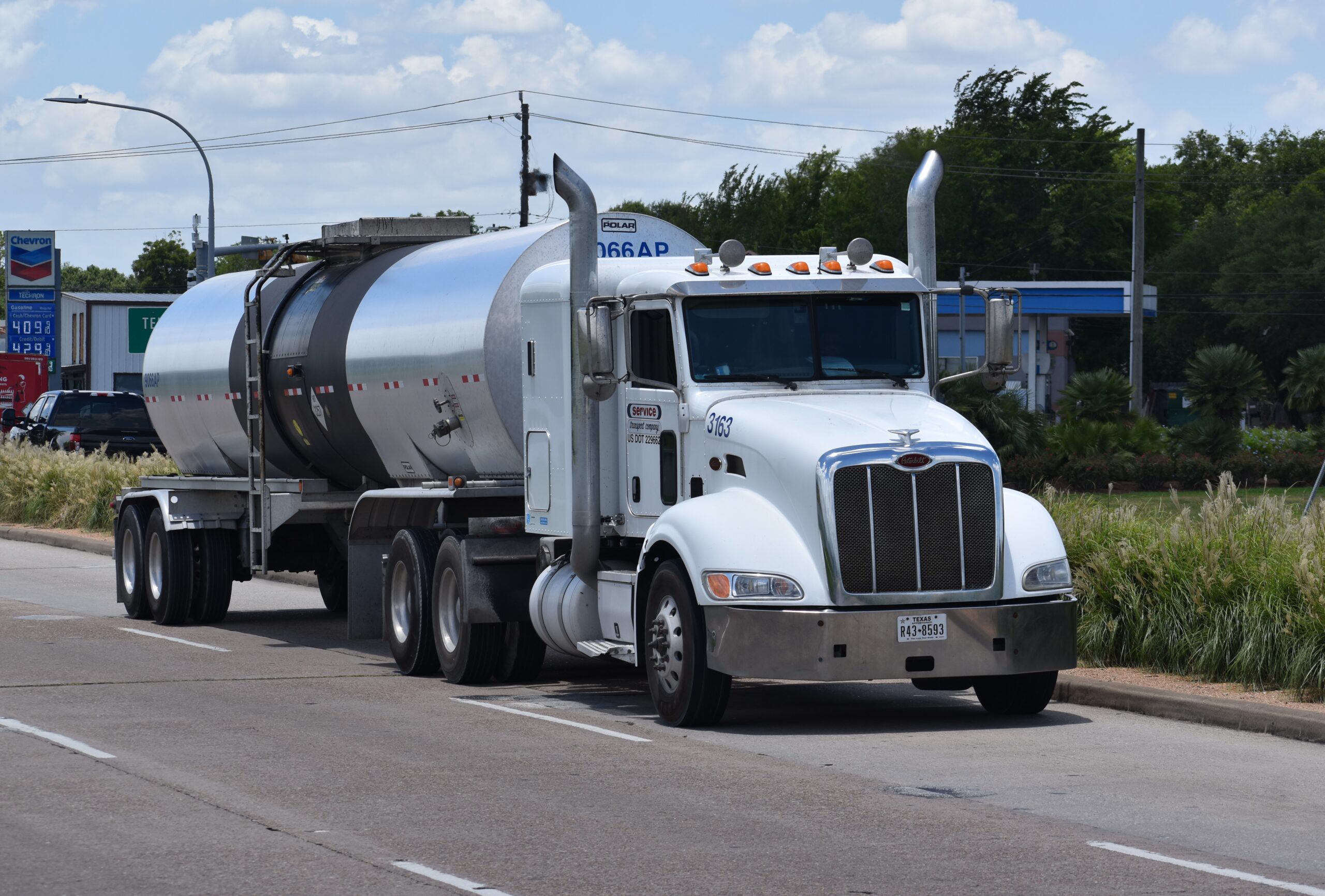
Modern worksite management relies heavily on predictable delivery schedules to keep critical machinery operating at full capacity. For instance, commercial operations often arrange scheduled gas delivery to maintain consistent fuel levels across entire equipment fleets. This steady supply prevents mid-day work stoppages and allows site supervisors to plan heavy daily workloads with total confidence.
Safeguarding Equipment Health Through Clean Fuel Management
Fuel quality plays a direct role in maintaining long-term engine performance and preventing sudden mechanical breakdowns. Stored fuel that accumulates moisture or microscopic sediment can quickly clog sensitive filters and damage delicate internal injectors. Establishing strict fuel storage practices on-site protects expensive engine components from preventable contamination.
Pairing clean fuel storage with routine filter checks drastically reduces the risk of engine misfires and power loss. Site mechanics must regularly inspect storage tanks for water build-up and replace system filters according to manufacturer guidelines. Taking these proactive preventative steps ensures that clean energy flows smoothly through heavy machinery without causing hidden internal damage.
Preventing Sudden Mechanical Failures with Proactive Care
Waiting for heavy machinery to break down before scheduling repairs leads to expensive project delays and higher repair costs. Proactive maintenance routines allow technicians to identify small mechanical issues long before they turn into major engine failures. Checking fluid levels, belt tension, and track alignment daily helps maintain peak operational efficiency across the entire job site.
Combining regular mechanical checkups with steady fuel replenishment creates a reliable operational rhythm for worksite crews. Mechanics can easily inspect engine components while equipment sits parked during routine refueling breaks.
This integrated approach maximizes working hours and ensures that potential equipment issues are caught early during standard daily operations. Taking advantage of scheduled downtime keeps projects moving smoothly without unexpected interruptions.
Monitoring Fuel Usage Trends to Optimize Operations
Tracking daily fuel consumption provides valuable insight into overall machine health and job site productivity. Sudden spikes in fuel usage often point to underlying mechanical issues like clogged air filters, injector wear, or low tire pressure. Monitoring consumption rates helps fleet managers catch these early warning signs before major component damage occurs.
Digital tank monitoring systems allow managers to track fuel levels remotely and anticipate refilling needs accurately. These smart sensors eliminate manual measurements and prevent operational disruptions caused by unexpected fuel shortages. Utilizing precise data allows site leaders to optimize fueling schedules and keep equipment performing at peak efficiency. Implementing this automated tracking ensures seamlessly managed supply lines with zero costly downtime.
Protecting On-Site Fuel Infrastructure from Environmental Hazards
Maintaining safe fuel storage equipment is just as critical as caring for the heavy machinery it powers. Double-walled storage tanks and secondary containment basins protect job sites from accidental fuel leaks and costly environmental spills. Regularly inspecting valves, transfer hoses, and pump nozzles prevents slow leaks that waste valuable energy resources.
Properly positioned fuel tanks also shield stored supplies from extreme weather conditions that could compromise fuel quality. Elevating storage systems off damp ground and keeping tanks shaded reduces condensation build-up during drastic temperature shifts. Taking care of support infrastructure ensures that energy supplies remain clean, safe, and ready for continuous site use.
Securing Long-Term Productivity Through Balanced Site Management
Aligning scheduled fuel delivery with rigorous equipment maintenance forms the backbone of any successful commercial worksite operation. Protecting heavy machinery with clean energy and routine service extends equipment life while reducing unexpected operational expenses. Project managers who prioritize both areas enjoy predictable project timelines and higher overall productivity.
Investing time in proper site planning prevents small logistical oversights from spiraling into costly project delays. Working with reliable fuel providers and maintaining disciplined equipment care routines keeps worksites running safely and efficiently. Embracing this balanced management strategy guarantees long-term operational success for heavy equipment operations.
