

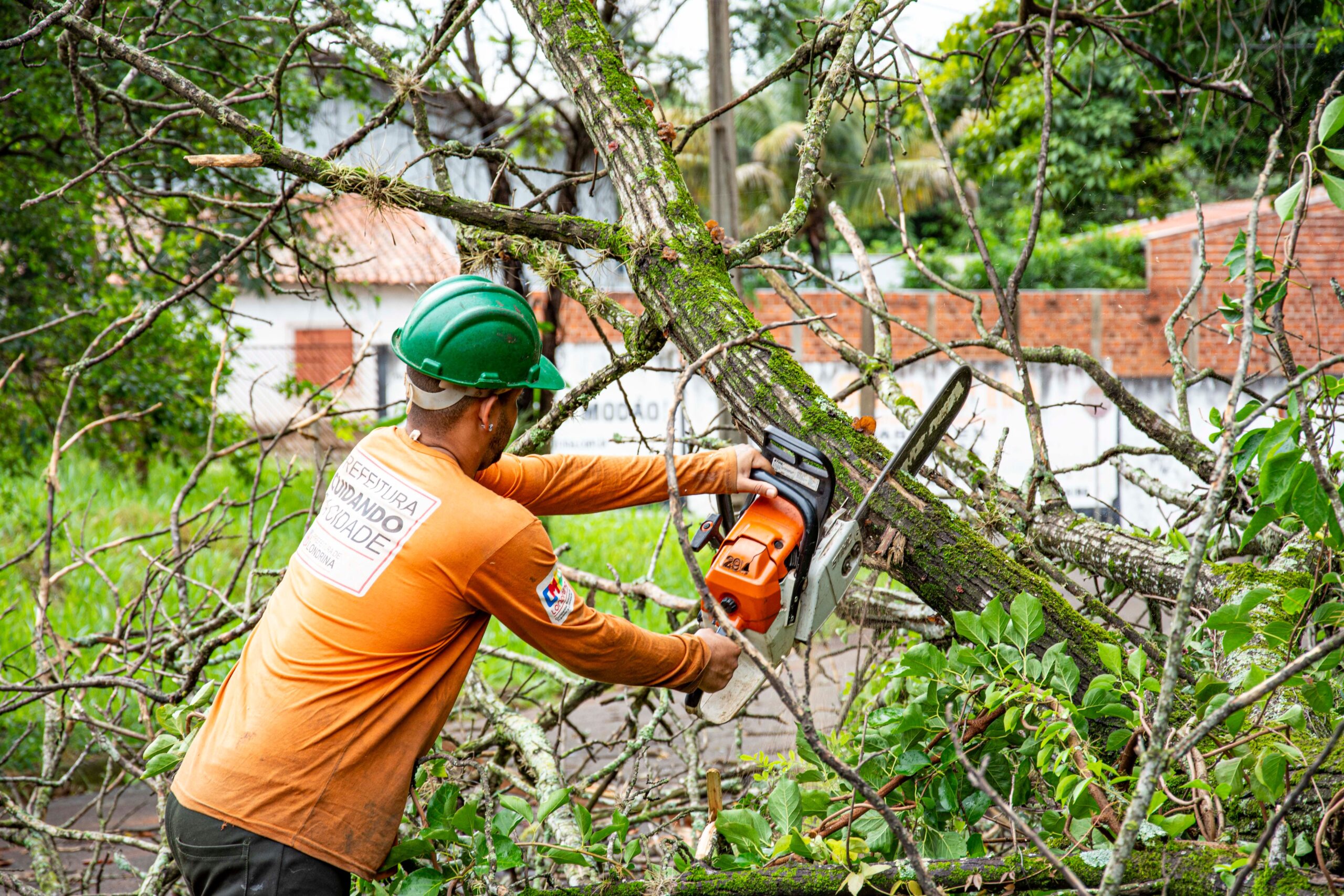
Trees are often one of the most valuable features on a property. They provide shade during the summer, improve curb appeal and create habitats for wildlife. However, because trees are living organisms that continue to grow and change over time, they occasionally require professional attention.
Many homeowners are comfortable watering young trees or picking up fallen branches after a storm, but some situations go beyond routine yard maintenance. An arborist is trained to assess tree health, identify potential hazards and recommend the most appropriate course of action. Knowing when to call one can help protect both your landscape and your home.
1. A Tree Doesn’t Look as Healthy as It Used To
Healthy trees usually show consistent growth from season to season. If you suddenly notice thinning leaves, dead branches or patches of missing bark, your tree may be under stress.
While seasonal changes are normal, unexpected signs of decline shouldn’t be ignored. Diseases, pests and environmental factors can all affect a tree’s health. An arborist can determine whether the issue is temporary or requires treatment before the damage spreads.
2. Large Branches Have Started Falling
It’s common to find small twigs in the yard after windy weather, but larger branches falling without an obvious cause may indicate a structural problem.
Heavy limbs can damage vehicles, roofs or fences if they fall unexpectedly. More importantly, they can pose a serious safety risk to anyone nearby.
Instead of simply cleaning up the debris, have the tree inspected to determine why the branches failed and whether additional pruning or other work is necessary.
3. The Tree Was Damaged During a Storm
Storms don’t always leave obvious destruction behind. A tree may still be standing after high winds while hidden cracks or weakened limbs remain.
Broken branches suspended high in the canopy, split trunks or partially uprooted trees should always be evaluated by a professional. Attempting to remove damaged limbs yourself can be dangerous, particularly if they are under tension or close to power lines.
An arborist can assess whether the tree can recover safely or whether removal is the best option.
4. You Notice the Tree Leaning More Than Before
Not every leaning tree is dangerous, but a noticeable change in its position deserves attention.
A tree that suddenly tilts after heavy rain or strong winds may have experienced root damage. Soil movement around the base, exposed roots or cracks in the ground can also indicate instability.
An arborist can inspect the tree and determine whether it remains secure or poses a potential hazard.
5. Branches Are Touching Your House
As trees mature, their branches naturally extend farther from the trunk. Over time, they may begin touching the roof, siding, gutters or windows.
Besides causing physical damage during storms, overhanging branches can make it easier for pests to access the home.
Rather than removing large limbs without proper knowledge, it’s safer to have an arborist perform strategic pruning that protects both the tree and your property.
6. Construction Is Planned Near Existing Trees
Home renovation projects often affect more than just buildings. Digging foundations, installing patios or replacing driveways can disturb tree roots below the surface.
Even if heavy equipment never touches the trunk, root damage can reduce a tree’s stability or health long after construction is finished.
Consulting an arborist before work begins may help identify ways to protect valuable trees throughout the project.
7. You Keep Seeing Mushrooms Around the Base
Mushrooms growing near a tree don’t always mean it’s in danger, but they can sometimes indicate internal decay or problems beneath the soil.
Fungi often feed on decaying wood, making them a possible warning sign that part of the tree has begun to deteriorate.
An arborist can investigate whether the mushrooms are harmless or whether they suggest structural concerns that require further attention.
8. You’re Unsure Whether to Remove a Tree
Removing a mature tree is a major decision. Once it’s gone, it may take decades for another tree to provide the same benefits.
Some trees that appear unhealthy can recover with proper care, while others may become increasingly hazardous if left untreated.
Before making a final decision, consider having the tree professionally assessed. An arborist can explain its condition, discuss available options and help you understand whether removal is truly necessary.
While comparing local providers, you may come across businesses such as Green Country Arbor Services along with many other tree care companies. Regardless of which company you choose, look for professionals with appropriate training, experience and industry certifications.
9. You’re Planting New Trees
Arborists aren’t only called when something is wrong. They can also provide valuable advice before new trees are planted.
Choosing the right species for your property can reduce future maintenance and improve long-term growth. An arborist can recommend suitable planting locations, considering mature tree size, soil conditions and nearby structures.
Making informed decisions early can help prevent problems years later.
10. You Simply Want Peace of Mind
Sometimes nothing appears obviously wrong, but something about a tree doesn’t seem quite right. Perhaps it looks different than previous years or you’re concerned about a large tree growing close to your home.
In these situations, scheduling a professional assessment can provide reassurance. An arborist can evaluate the tree’s overall condition and explain whether any maintenance is recommended.
Even if no immediate work is needed, having expert guidance can help homeowners plan future care with confidence.
Healthy Trees Benefit From Timely Attention
Trees often give subtle clues when something isn’t right. Dead branches, leaning trunks, unusual growth patterns and storm damage should never be ignored simply because the tree is still standing.
Calling an arborist doesn’t always mean a tree needs to be removed. In many cases, professional pruning, disease management or routine maintenance can help preserve a healthy tree for years to come.
Paying attention to changes in your landscape and seeking expert advice when needed can help protect your property while supporting the long-term health of your trees. A proactive approach often makes it easier to address small concerns before they develop into larger, more costly problems.
