

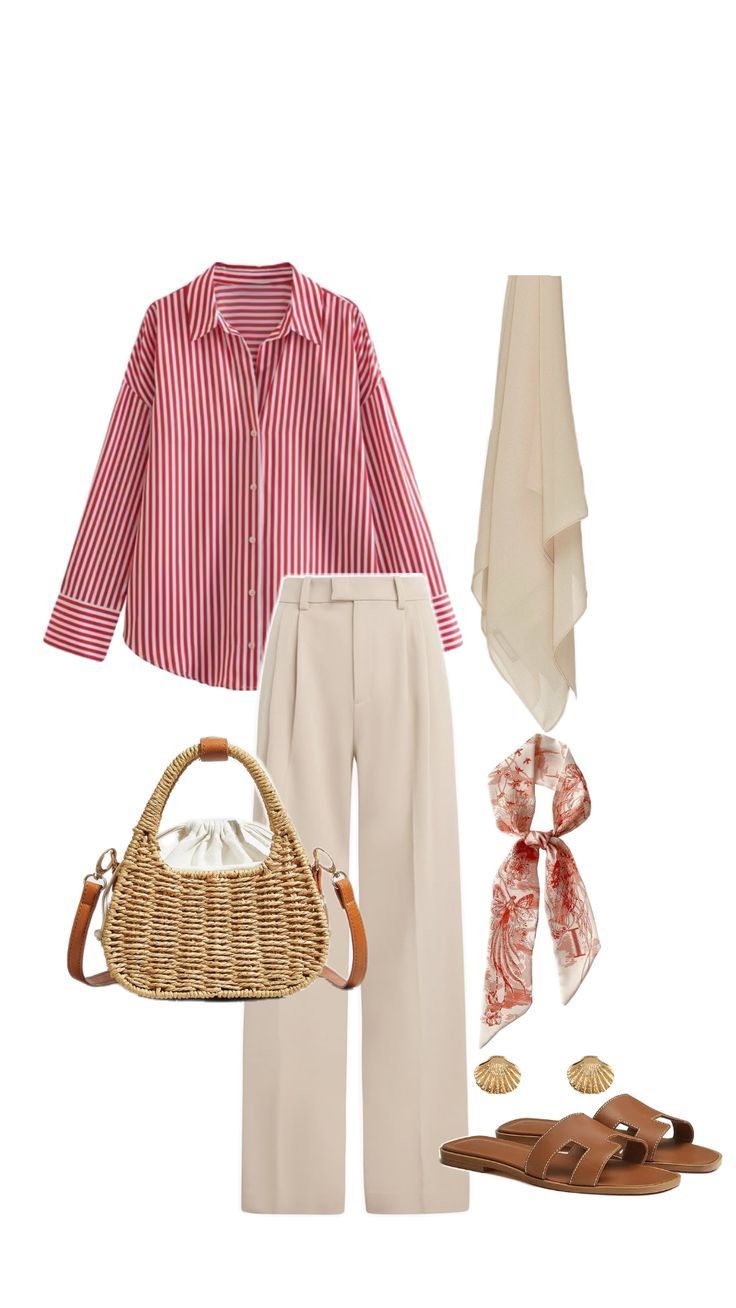
The clothing traditions of India eloquently represent its cultural variety. This richness is exhibited in unique ways in ethnic bottom wear. The distinctive designs, materials and tailoring skills from different areas and cultures have had a lasting impact on modern fashion.
Churidars are symbols of grace and refinement, whereas salwars are symbols of practicality and comfort. Palazzos are a modern-day worldwide trend that has been widely accepted in Indian fashion. Straight trousers are a response to the increased desire for adaptable apparel to suit the current lifestyle.
This variety means ethnic bottom wear may appeal to a broad spectrum of tastes. For a practical and attractive wardrobe, you need adaptable items that can be mixed and matched seamlessly and ethnic bottom wear ticks this box nicely. Instead, they’ve evolved into statement items that impact the entire shape, comfort level and look of an ensemble.
The history of Ethnic Bottom Wear for Women is a testament to shifting societal conventions, worldwide design influences and the rising need for apparel that mixes elegance with functionality. Today’s women want to wear clothes that may represent their personality, but also be linked to cultural customs.
Traditional Roots Have Influenced Ethnic Fashion
The history of ethnic bottom wear for ladies is very much connected with the rich cultural legacy of India. Salwars, churidars and regional draped bottoms have been worn in various areas of the nation for generations. These designs were created for reasons of practicality, taking into consideration climate, mobility, and local traditions.
Salwars were loose fitting pants which provide comfort and flexibility of movement. They had a loose shape that was good for everyday activities, and eventually became a staple of traditional dress. Churidars were, nevertheless, famous for being fitting and having collected folds around the ankles. Their beautiful look made them especially appropriate for formal gatherings and cultural festivities.
Different areas added their own adaptations to ethnic bottom attire. Some preferred expansive shapes and others more rigid cuts. Fabrics varied from handmade cotton to fine silk, indicative of the local resources and workmanship.
Ethnic bottoms were mostly practical clothing, along with traditional top attire throughout this time. Women wanted clothes that were comfortable, versatile and contemporary yet still in touch with classic fashion.
This was the milestone in the development of ethnic bottom wear. Designers started experimenting with shapes and silhouettes that suited modern lifestyles Traditional clothing were reinvented with more sleek patterns, lighter materials and greater usefulness.
Straight trousers became the preferred alternative to traditional designs. Their sleek lines and tailored look attracted to ladies who wanted refined clothing for work and social occasions. They went beautifully with kurtas of varied lengths, giving us an appearance that was contemporary and traditional at the same time.
The need for garments that could serve several purposes also led to the introduction of stretchy, easy-care textiles. These ethnic bottoms were functional for daily use, enabling women to move fluidly between work and personal spaces.
Even as lives changed, traditional dress remained relevant. Instead, they spurred innovations that retained traditional traits and embraced contemporary demands. One of the fundamental features of modern ethnic bottom wear was the combination of history with convenience.
The Palazzos Reach Maturity and Modern Forms
The most important advances in ethnic women’s fashion are the advent of palazzos and other modern styles. These fashions brought a new approach to ethnic wearing with equal measures of ease and grace.
Palazzos were an instant hit because to their fluid silhouette and loose fit. Their wide-leg fit allowed for ease of movement while producing a sleek profile. They were a great option for ladies who wanted something other than more fitting fashions, particularly in warmer areas where clothes needed to breathe.
The success of palazzos was due to their versatility. These were perfect with short kurtis, straight kurtas, asymmetrical tops and fusion wear. These contemporary forms were part of wider developments in fashion. Comfort was important and clothing was to accommodate dynamic lives without sacrificing flair. Ethnic bottom wear offered practical solutions, in trend and acceptable for a variety of events.
Today, the rich variety of ethnic design is further enhanced with ancient trends sitting alongside modern forms and unlimited opportunities for self-expression.
Fusion Fashion and the Age of Styling
Fusion fashion has been essential in reinventing ethnic bottom wear for women. Fusion style, blending traditional clothes with contemporary inspirations, has resulted in unique designs with wide appeal.
Ethnic bottoms are now combined with many other clothes other from the usual kurtas. Fusion fashion allows you to experiment with colours, textiles and accessories. Simple patterns are paired with detailed needlework, and timeless shapes are enhanced with contemporary tailoring. This freedom of expression has broadened the range of ethnic bottom wear to accommodate the new generations who are looking for both tradition and innovation.
This trend has been further boosted by social media and internet platforms, which are a showcase for varied style ideas and a source of inspiration for unique interpretations of ethnic fashion. In today’s world, women are increasingly blending traditional and contemporary items to create distinctive outfits that represent their personalities and lives.
This new age of style shows that fashion of ethnicity is not static. It is always evolving, adjusting to the changing tastes while honouring the cultural legacy. Ethnic bottom wear has become a canvas for creativity where people may pay respect to heritage and at the same time indulge in modern trends.
Summary
The growth of women’s ethnic bottom wear is not only about shapes and style. More options are opened up by modern textiles. Rayon, viscose, pancake and stretch mixes provide softness, fluidity and ease of movement. These fabrics increase the comfort factor while enabling designers to produce novel shapes that can be adapted to modern lives.
Ethnic Bottom Wear for Women are made fresh and contemporary with a mix of traditional workmanship and current innovation. Women’s ethnic bottoms have a timeless appeal since they may change without losing their soul. But these clothes have withstood the whims of changing fads, changing lives and changing tastes in clothes, but have stayed faithful to their cultural origins.
