

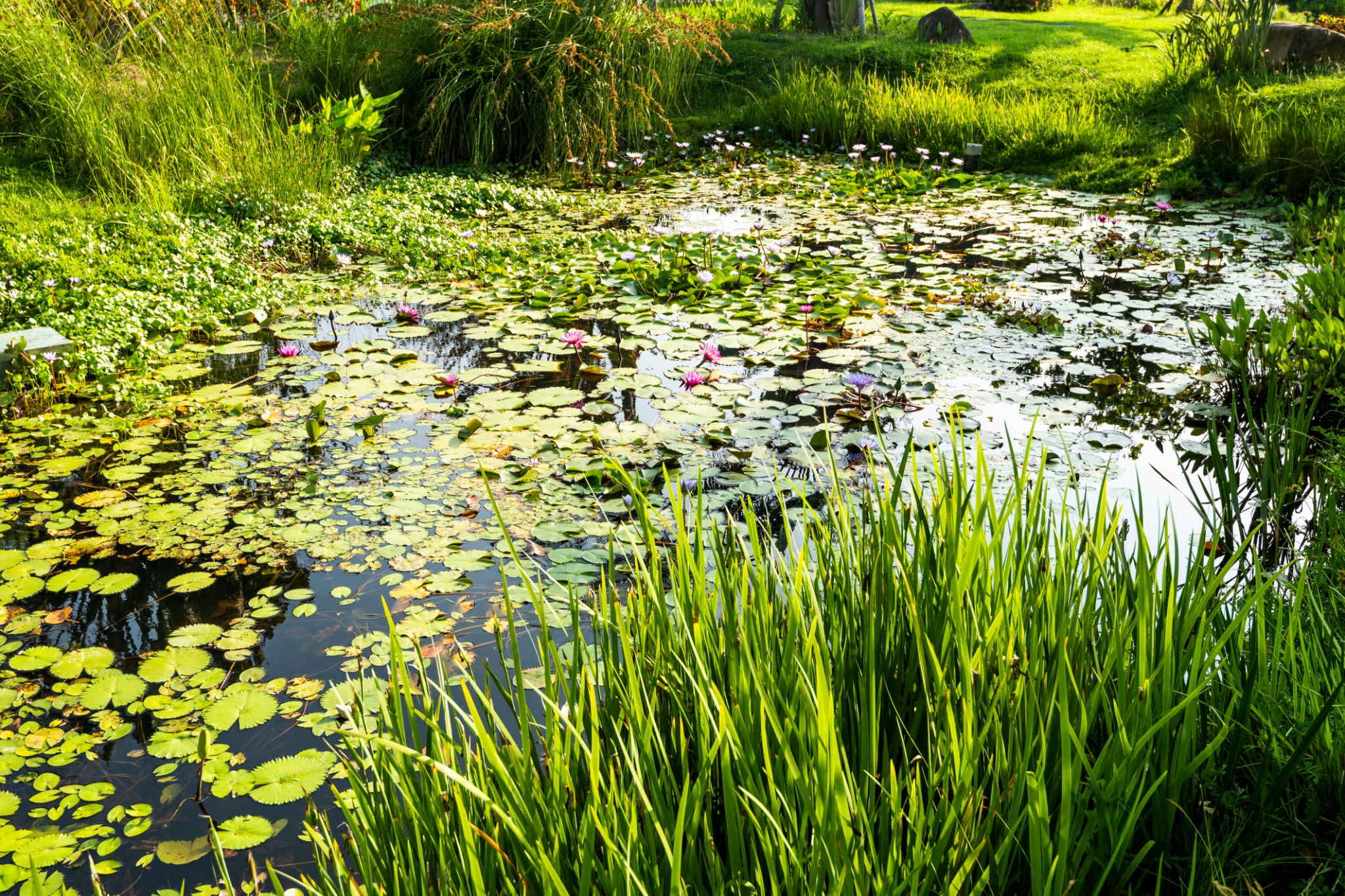
Pond plants can transform an ordinary water feature into a beautiful, natural-looking garden space. Beyond adding color and visual appeal, the right pond plants can provide shade, shelter for aquatic life, and support a healthier pond ecosystem. Whether you have a small backyard pond or a large ornamental water garden, there are many plant varieties to choose from.
What Are Pond Plants?
Pond plants are plants that are specially adapted to grow in or around water. Some grow completely underwater, while others float on the surface or grow with their roots submerged and leaves above the water. They come in many shapes, sizes, and colors, making it easy to create an attractive and balanced pond environment.
Common types include water lilies, lotus, floating plants, submerged plants, and marginal plants.
Popular Types of Pond Plants
1. Water Lilies
Water lilies are among the most popular pond plants. Their large, round leaves float on the water while their colorful flowers rise above the surface. They can also provide shade that helps keep pond water cooler.
2. Lotus
Lotus plants are known for their beautiful flowers and distinctive leaves. They prefer sunny locations and can become a striking focal point in larger ponds.
3. Floating Plants
Floating plants remain on the surface of the water without being rooted in the pond soil. Examples include duckweed, water lettuce, and water hyacinth. They can provide shade and help absorb excess nutrients from the water.
4. Submerged Plants
Submerged plants grow mostly or completely underwater. They are valuable for pond ecosystems because they can release oxygen into the water and provide hiding places for small aquatic animals.
5. Marginal Plants
Marginal plants grow around the edges of ponds, usually with their roots in wet soil or shallow water. Plants such as cattails, rushes, and water iris can create a natural transition between the pond and surrounding garden.
Benefits of Pond Plants
Adding pond plants offers several benefits. They can improve the appearance of your pond while creating a more natural environment for fish and other aquatic organisms. Plants can also provide shade, which may help reduce excessive algae growth. Some aquatic plants absorb nutrients from the water, contributing to better overall water quality.
Pond plants can also attract wildlife such as butterflies, dragonflies, frogs, and birds, turning your pond into a lively part of the garden.
How to Choose the Right Pond Plants
When selecting pond plants, consider the size and depth of your pond, the amount of sunlight it receives, and your local climate. It is also important to consider how quickly a plant spreads. Some aquatic plants can become invasive if they are not properly managed.
For a balanced pond, choose a combination of submerged, floating, and marginal plants rather than filling the entire surface with one species.
Caring for Pond Plants
Most pond plants require regular maintenance to stay healthy. Remove dead or yellowing leaves, trim plants when necessary, and prevent fast-growing varieties from taking over the pond. Potted aquatic plants may need to be divided or repotted as they become crowded.
Avoid adding too many plants at once. A pond needs sufficient open water for good circulation and light penetration.
Conclusion
Pond plants are an excellent way to make a water garden more attractive while supporting a healthy aquatic environment. From colorful water lilies and lotus flowers to useful submerged and marginal plants, there are options for almost every type of pond. By choosing suitable varieties and providing proper care, you can create a beautiful, balanced pond that can be enjoyed throughout the growing season.
