

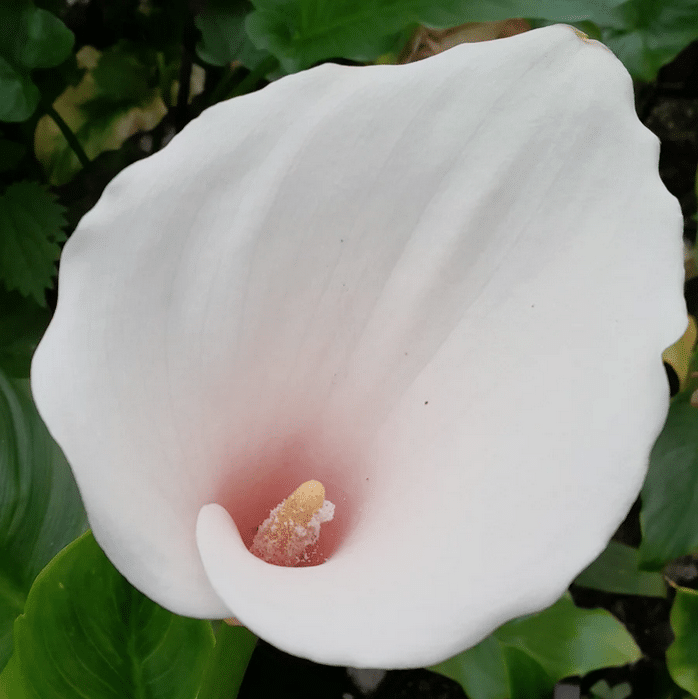
Water lilies are among the most recognizable and beautiful plants found in freshwater environments. Their broad, floating leaves and colorful flowers add beauty to ponds, lakes, and slow-moving waterways. However, water lilies are more than just attractive aquatic plants. They play an important role in supporting biodiversity, improving water conditions, and providing shelter and food for various aquatic organisms.
Understanding Water Lilies and Their Role in Aquatic Ecosystems helps us appreciate how these plants contribute to the health and balance of freshwater habitats.
What Are Water Lilies?
Water lilies are aquatic flowering plants that belong mainly to the family Nymphaeaceae. They typically grow in shallow or slow-moving freshwater, where their roots remain anchored in the muddy bottom while their leaves and flowers float on the surface.
The large leaves, often called lily pads, are designed to capture sunlight efficiently. Their flowers can vary in color, including white, pink, yellow, and purple, depending on the species. Although water lilies are commonly associated with natural ponds and lakes, they are also widely grown in ornamental water gardens.
Providing Shelter for Aquatic Life
One of the most important contributions of water lilies is the shelter they provide. Their floating leaves create shaded areas where small fish, tadpoles, insects, and other aquatic organisms can hide from predators.
The stems and underwater portions of the plants also create complex habitats for microorganisms and small invertebrates. These organisms form an important part of aquatic food webs and provide food for fish, amphibians, and birds.
A Safe Habitat for Small Animals
Small aquatic animals can use lily pads as resting and hiding places. Frogs, for example, often sit on the leaves near the water’s surface, while insects may use them as places to land or reproduce. This makes water lilies an important component of many freshwater habitats.
Supporting Food Chains
Water lilies contribute to aquatic food chains in several ways. Their flowers can provide nectar and pollen for insects, while some aquatic and terrestrial animals feed on their leaves, stems, or other plant material.
When parts of a water lily die and decompose, they become a source of organic matter for microorganisms and decomposers. These organisms are then consumed by other aquatic creatures, helping nutrients move through the ecosystem.
Improving Water Conditions
Water lilies can also influence water quality. Their broad leaves provide shade over the water’s surface, which can reduce the amount of sunlight reaching the water below. This may help moderate water temperatures and limit the growth of certain algae.
Their roots and underwater structures can also help stabilize sediment. By anchoring themselves in the bottom of ponds and shallow lakes, water lilies can reduce the movement of loose sediments caused by water currents.
Contributing to Biodiversity
Biodiversity is essential for maintaining healthy ecosystems, and water lilies can contribute to it by creating different habitats within a body of water. Their leaves, flowers, stems, roots, and surrounding areas support a variety of organisms.
The importance of Water Lilies and Their Role in Aquatic Ecosystems becomes especially clear when considering how many species can benefit from the habitats these plants create. From insects and amphibians to fish and microorganisms, numerous forms of life may interact with water lilies.
The Importance of Maintaining a Healthy Balance
Although water lilies provide many ecological benefits, they can become problematic when they grow excessively. In some environments, dense populations of aquatic plants can cover large areas of the water surface. This may reduce light penetration and limit oxygen exchange, potentially affecting fish and other organisms.
For this reason, healthy aquatic ecosystems require a balance. Native water lily species can be valuable components of natural habitats, but invasive or aggressively spreading aquatic plants should be carefully managed.
Water Lilies and Conservation
Protecting ponds, lakes, wetlands, and other freshwater habitats helps preserve water lilies and the organisms that depend on them. Conservation efforts can include protecting natural shorelines, reducing pollution, controlling invasive species, and maintaining healthy aquatic vegetation.
Learning about Water Lilies and Their Role in Aquatic Ecosystems can also encourage people to view freshwater plants as important parts of nature rather than simply decorative features.
Conclusion
Water lilies are much more than beautiful plants floating on the surface of a pond. They provide shelter, support food chains, contribute to biodiversity, stabilize sediments, and influence water conditions. Their presence can create valuable habitats for many aquatic organisms.
By understanding Water Lilies and Their Role in Aquatic Ecosystems, we can better recognize the importance of aquatic plants and the need to protect healthy freshwater environments. When maintained in balance, water lilies can make a meaningful contribution to the ecological health and natural beauty of aquatic ecosystems.
